Vienna's After-Hours Rhythm: How Slot Triggers, Table Tactics and On-Site Meals Sync with Player Protection Rules During Extended Venue Operations
Geschrieben von Rosa Meier · 23.8.2026
Vienna's After-Hours Rhythm: How Slot Triggers, Table Tactics and On-Site Meals Sync with Player Protection Rules During Extended Venue Operations
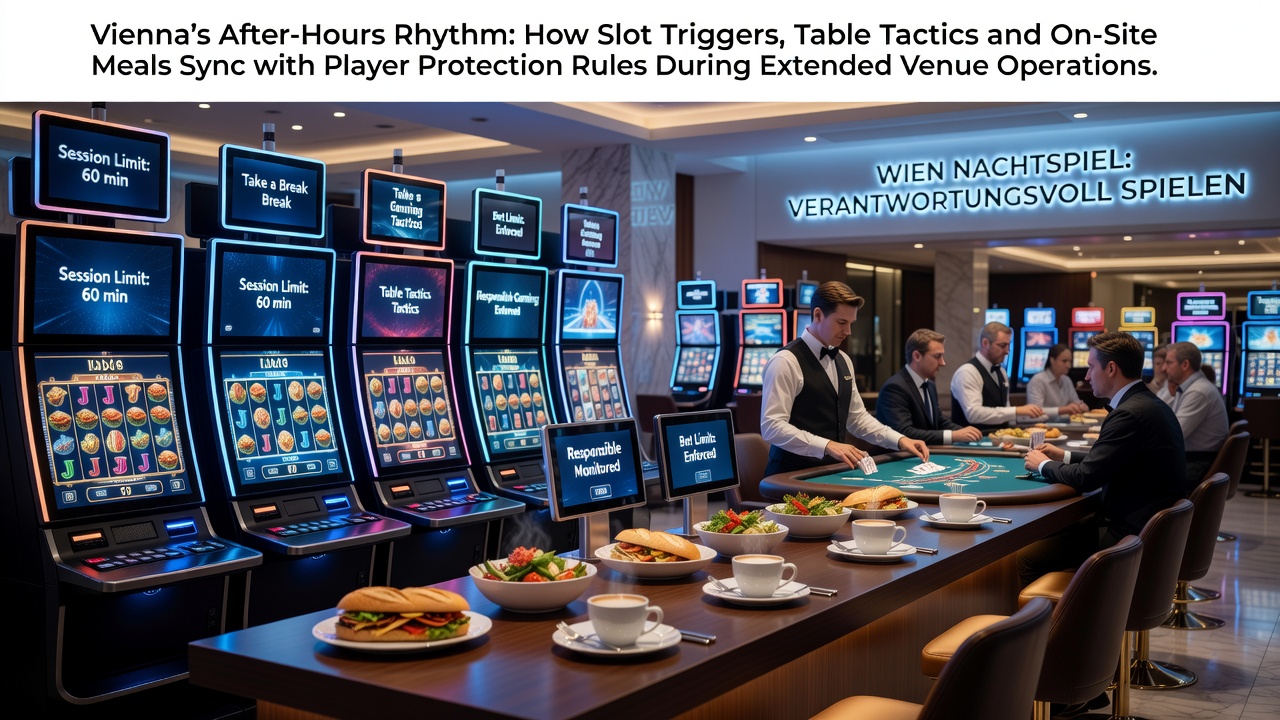
Venues in Vienna maintain extended hours that require precise coordination between game mechanics, service protocols, and regulatory safeguards, and observers note how these elements align to support responsible play. Data from the Austrian Federal Ministry of Finance shows that licensed operators must integrate player protection measures directly into operational routines, which creates a framework where slot features, table procedures, and meal timing function as interconnected components rather than isolated services.
Slot Machine Triggers and Mandatory Safeguards
Slot systems in Viennese casinos incorporate built-in triggers that prompt session reviews after predetermined intervals, and these mechanisms comply with national standards for time and loss limits. Research conducted by the University of Vienna's gambling studies group indicates that machines automatically display session duration and net position at set thresholds, which encourages players to assess their activity without external intervention. Such features operate continuously during late-night shifts, and regulators require that any modification to trigger settings receives prior approval to maintain consistency across venues.
Operators document every instance where a player overrides or acknowledges a trigger alert, and this record-keeping supports compliance audits that occur quarterly. Figures released by the European Commission on gambling market oversight reveal that Austria reports lower rates of extended single-session play compared with several peer jurisdictions, a pattern attributed in part to these automated prompts.
Table Game Procedures During Prolonged Sessions
Dealers at blackjack and roulette tables follow structured rotation schedules that limit continuous exposure for both staff and patrons, and these rotations tie directly into player protection protocols. When a table remains open past midnight, supervisors monitor cumulative playtime for each participant and may initiate a short break recommendation if patterns suggest fatigue. Industry reports from the European Gaming and Betting Association document how such tactics reduce the likelihood of impulsive decisions while preserving game flow for others at the table.
Dealers receive training to recognize signs that align with official responsible gambling guidelines, and they can discreetly direct a player toward information desks without halting the game. This approach keeps operations smooth yet responsive to regulatory expectations throughout the night.
Meal Service Integration with Protection Rules
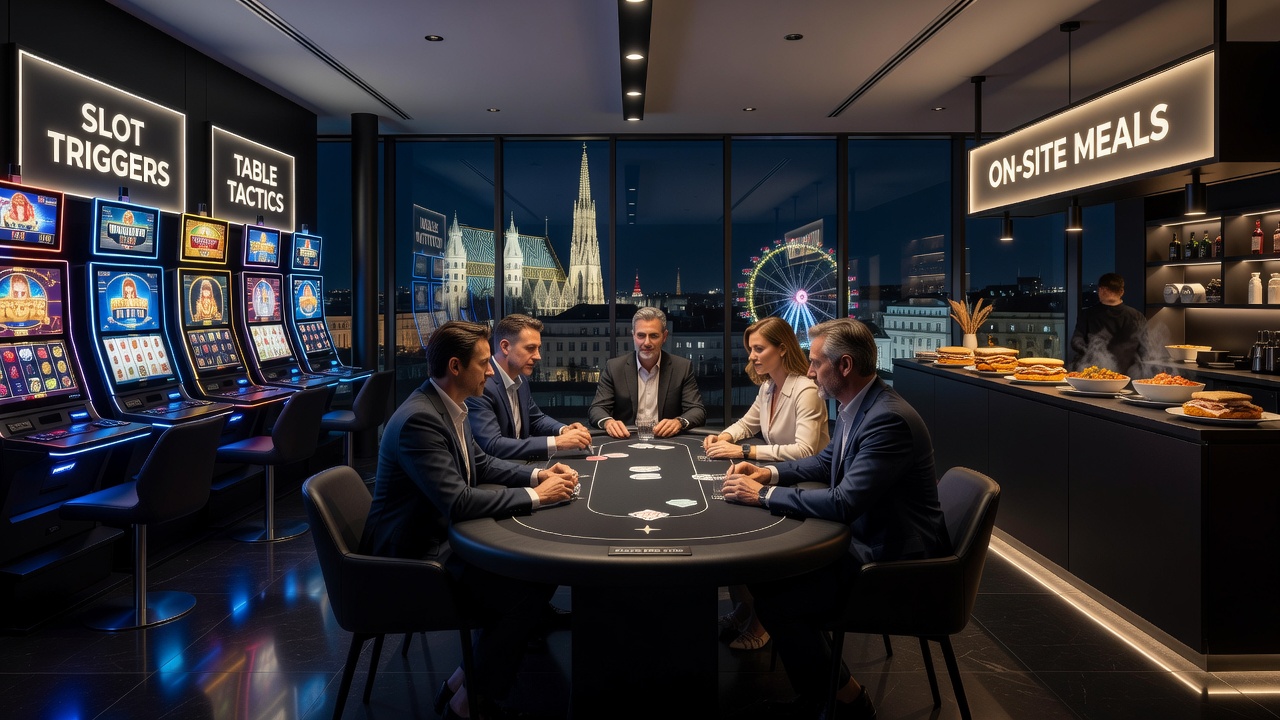
On-site restaurants and snack counters operate on schedules that complement extended gaming hours, and venue management positions meal availability to coincide with typical break points recommended by player protection frameworks. Staff at these outlets receive guidance to note when a guest has been in the gaming area for several consecutive hours, which allows them to offer seating or take-away options that naturally interrupt play. According to internal operational data shared by major Viennese casinos, coordinated meal timing correlates with higher compliance rates for voluntary time-out requests.
Nutrition options include lighter fare designed for late consumption, and beverage service includes non-alcoholic alternatives that meet licensing conditions. These arrangements help venues satisfy both hospitality expectations and oversight requirements without creating additional administrative layers.
August 2026 Developments and Ongoing Adjustments
Regulatory updates scheduled for implementation in August 2026 will require enhanced digital tracking of session data across all licensed sites, and operators in Vienna have already begun testing upgraded systems that feed directly into central reporting platforms. The changes build on existing trigger and rotation rules rather than replacing them, which means current practices around slot alerts, dealer changes, and meal timing will expand to include real-time analytics. Preparatory documents from the Austrian gaming authority indicate that the August rollout aims to standardize data formats used by multiple venues, thereby simplifying future audits.
Venues continue to refine how these elements interact, and training programs for floor staff now incorporate scenarios that simulate combined trigger alerts and meal-break suggestions during peak overnight periods.
Conclusion
The synchronization of slot triggers, table tactics, and meal services with player protection rules forms a practical operating model for Vienna's extended-hours venues, and ongoing regulatory refinements scheduled through 2026 will further embed these practices into daily routines. Observers continue to track how the combined system supports compliance while maintaining service continuity for patrons who choose to remain on site.